NAPS ENVIRONMENTAL SYSTEMS

Engineered Air, Water, and VOC Control Platforms
Environmental control systems define the compliance boundaries within which modern manufacturing operates. Air emissions, wastewater discharge, chemical storage, and contaminant capture are governed by measurable standards that differ across the USMCA region, from national requirements to state, province, and local enforcement. These differences affect permit conditions, monitoring expectations, and operating exposure, and they directly influence how facilities must be designed and managed to reduce risk.
North American Process Systems delivers environmental technologies as standalone systems to support compliance upgrades, and also integrates them into complete turnkey process platforms. Whether supporting anodizing, plating, painting, or thermal operations, each NAPS Environmental System is engineered around applicable discharge limits, emissions targets, monitoring requirements, and long term compliance stability. By aligning environmental system design with production requirements from the outset, NAPS reduces operational risk, strengthens audit readiness, and sustains compliant performance under real manufacturing conditions.
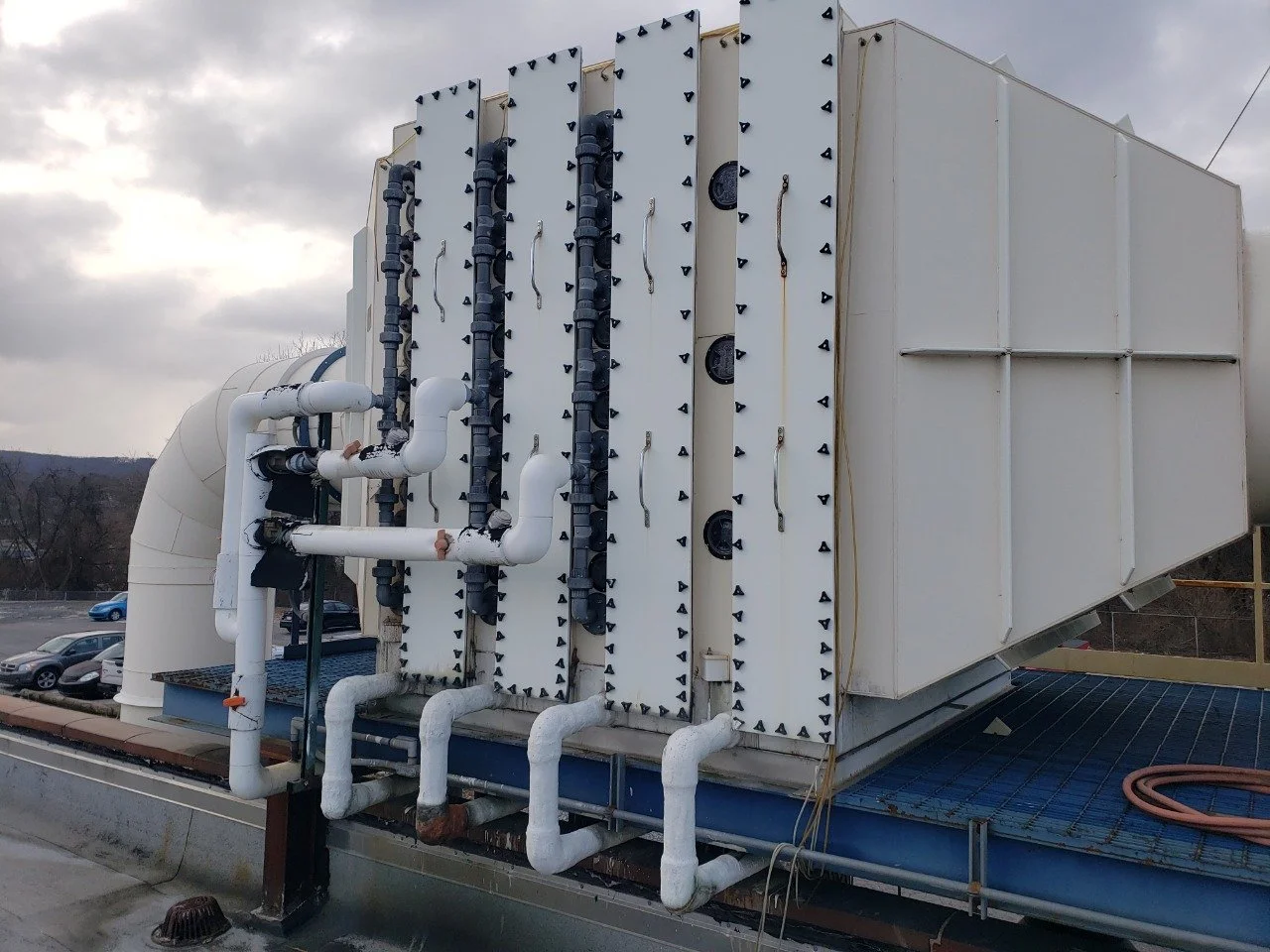
Corrosion-resistant exhaust and air pollution control systems are fundamental to safe, compliant surface finishing operations. In plating, anodizing, and chemical processing environments, airborne contaminants must be captured at the source, transported at controlled velocities, and treated before discharge in accordance with enforceable emissions and occupational exposure standards. A NAPS Environmental Ventilation System is engineered around established industrial hygiene principles, with capture velocity, hood configuration, duct transport velocity, static pressure balance, and fan selection calculated as a unified airflow system rather than assembled as individual components.
NAPS delivers both new installations and system expansions or upgrades, integrating corrosion-resistant ductwork, custom hoods, mist eliminators, packed bed scrubbers, and multi-stage treatment assemblies defined by contaminant chemistry, particulate loading, and required removal efficiency. Materials of construction are selected for long-term durability under corrosive service, and airflow systems are configured to maintain stable performance under sustained production conditions.
System layout, monitoring provisions, and maintenance access are defined during engineering so that emissions performance can be measured, documented, and maintained in accordance with applicable regulatory standards. The objective is controlled contaminant capture, enforceable compliance, and reduced operational risk through disciplined system design and long-term reliability.
NAPS Plating Ventilation Systems
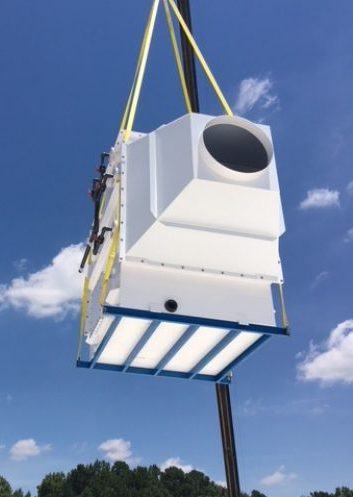
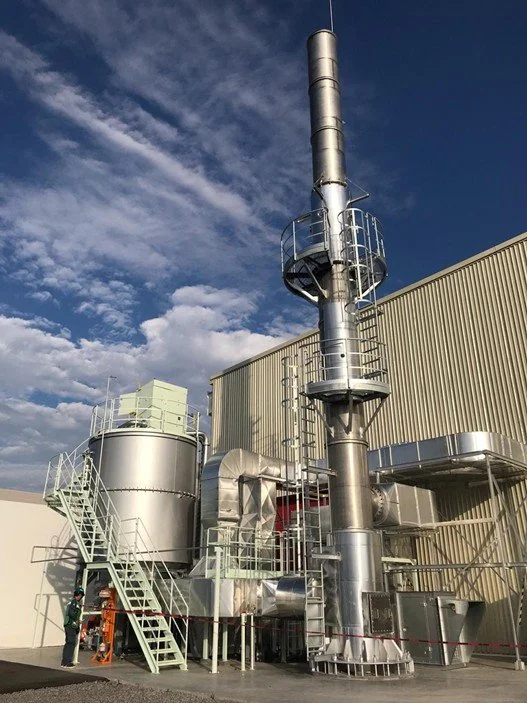
Volatile organic compounds generated from liquid paint lines, solvent-based coatings, e-coat curing ovens, and chemical processes require destruction rather than simple capture. In these applications, emissions control is achieved through controlled oxidation at elevated temperature, converting combustible vapors into stable byproducts before discharge.
NAPS integrates direct-fired, recuperative, and regenerative thermal oxidizer systems according to airflow volume, VOC concentration, required destruction efficiency, and operating profile. System selection is based on enforceable emissions limits, energy efficiency objectives, and long-term operational stability under production loading. Combustion chamber sizing, residence time, burner configuration, heat recovery strategy, and airflow management are engineered as a unified system to maintain consistent destruction performance.
Where high air volumes and low VOC concentrations demand energy efficiency, regenerative thermal oxidizers are applied to recover heat from the exhaust stream and reduce fuel consumption while maintaining high destruction efficiency. For concentrated or intermittent streams, direct-fired or recuperative configurations may provide a more appropriate solution.
Through integration with Shoei combustion technology, NAPS delivers thermal systems that provide stable temperature control, reliable ignition performance, and sustained emissions compliance under demanding industrial conditions. The objective is measurable VOC destruction, controlled fuel usage, and reduced environmental risk.
NAPS Thermal Oxidizers and VOC Control Systems
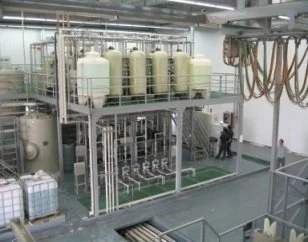
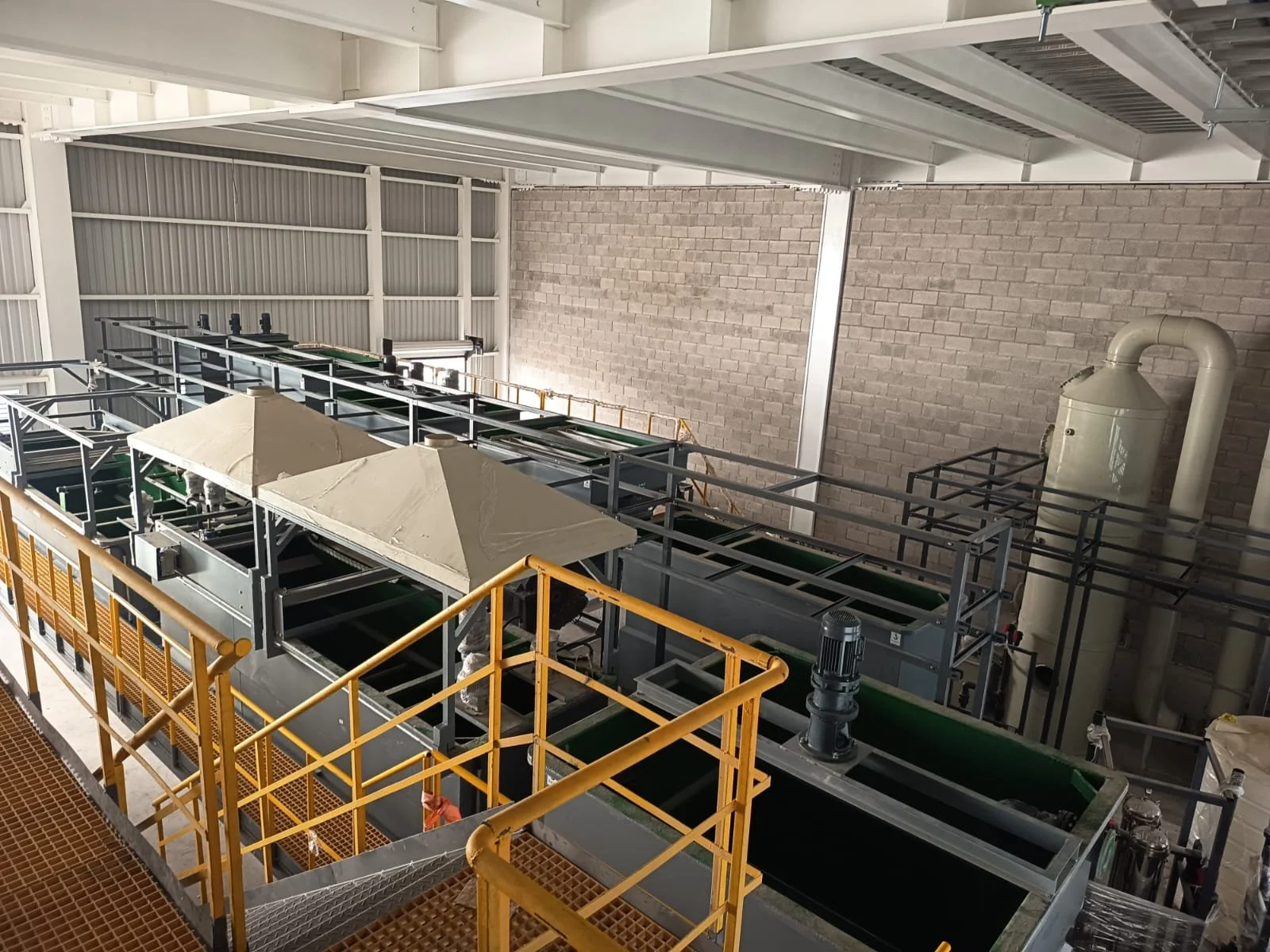
Surface finishing operations generate wastewater streams containing dissolved metals, complexed chemistries, acids, alkalies, and regulated contaminants that require controlled treatment prior to discharge or reuse. Effective management begins before the treatment plant. Drag-out reduction, rinse configuration, flow segregation, and pollution prevention strategies are incorporated during process system design to minimize waste generation at the source.
A NAPS Industrial Wastewater System is engineered around contaminant chemistry, production variability, and defined discharge objectives. Reduction of hexavalent chromium, staged destruction of cyanide-bearing streams, management of chelated metals, and control of fluorides or phosphates are addressed through defined treatment sequencing rather than generic neutralization. Equalization, pH adjustment, chemical precipitation, clarification, filtration, and sludge handling are configured as an integrated process with controlled reagent dosing and monitored operating parameters.
Where discharge limits or sustainability objectives require advanced performance, systems may incorporate membrane separation, reverse osmosis, ion exchange, electrocoagulation, or closed-loop rinse recovery strategies. These technologies are evaluated based on load characteristics, recovery goals, concentrate management, and long-term operating stability.
Wastewater compliance is not static. Environmental expectations across North America continue to evolve, with increasing emphasis on discharge reduction, zero-liquid discharge strategies, and documented best available technology practices. NAPS designs treatment systems that account for these trends from the outset, balancing pollution prevention, treatment efficiency, and operational reliability.
These systems may be delivered as standalone compliance installations or integrated into complete anodizing, electroplating, or coating facilities. The objective is controlled discharge performance, minimized environmental liability, and disciplined process engineering aligned with modern compliance standards.
NAPS Wastewater Treatment Systems
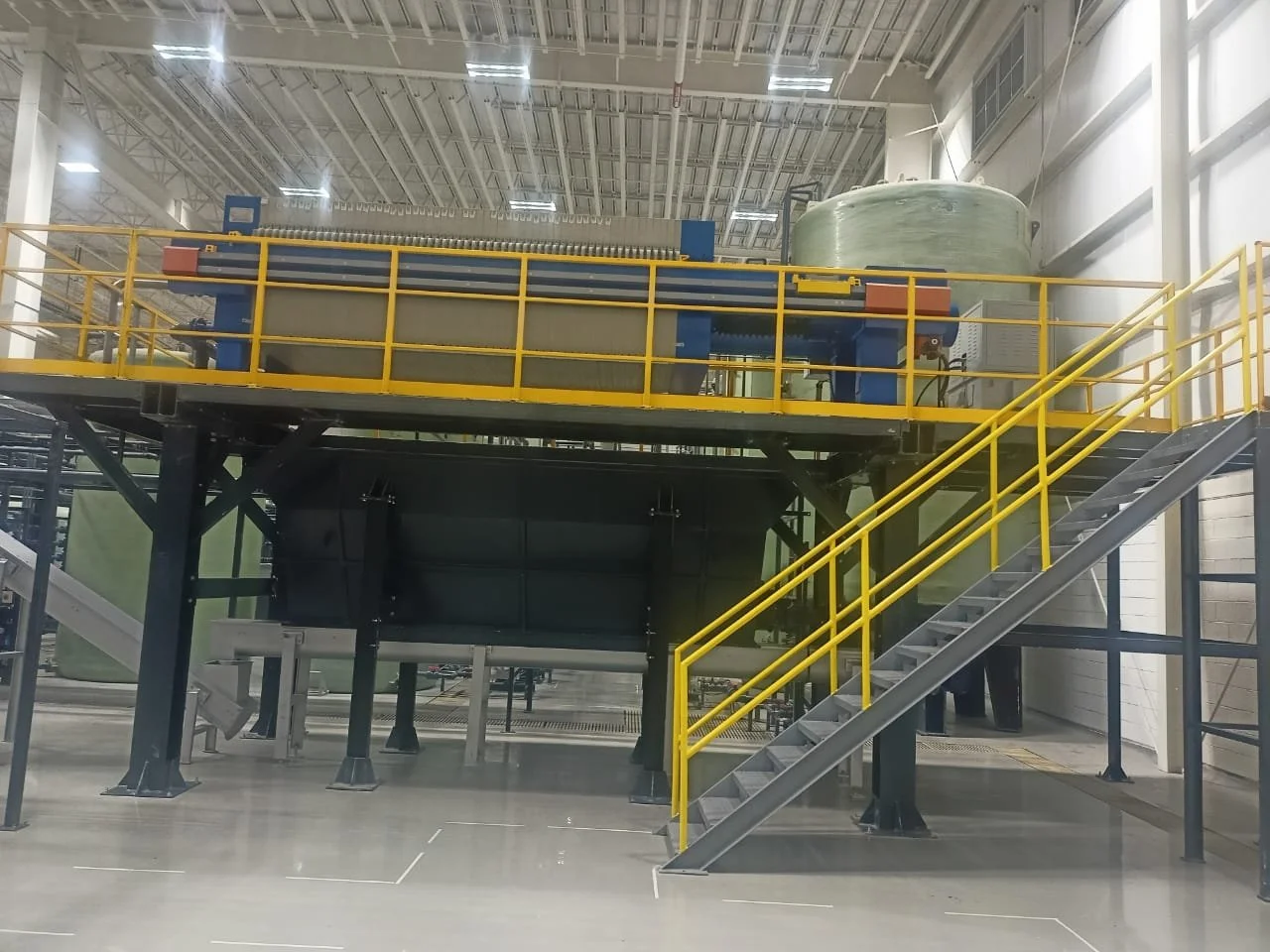
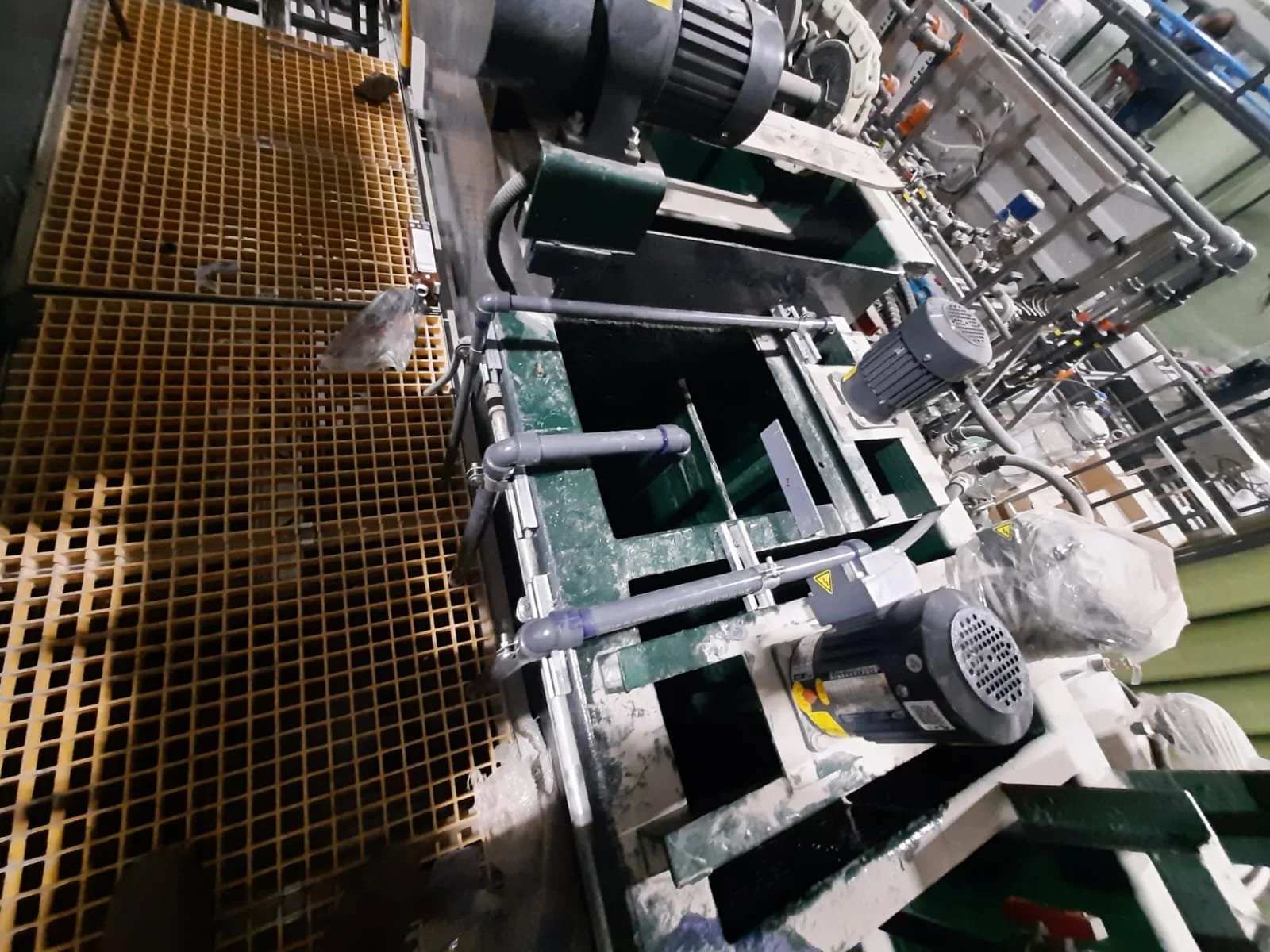
Environmental control defines whether a manufacturing facility can operate with stability, expand with confidence, and withstand regulatory scrutiny over time. A NAPS Environmental System integrates air emissions capture, VOC destruction, and wastewater treatment into a controlled compliance platform engineered for measurable, enforceable performance under real production conditions. Delivered as standalone installations or as part of complete turnkey surface finishing systems, these platforms are built on disciplined engineering, documented control, and long-term operational reliability. The result is sustained regulatory compliance, reduced environmental exposure, and production performance supported by systems designed correctly from the outset